Retro Tag Graffiti: More Than Just a Font
You know the feeling. You're scrolling through a design feed, and one particular piece just stops you. It’s not necessarily the image itself, but the text integrated into it. It has a raw, energetic edge that feels authentic, hand-crafted, and immediately cool. It speaks a visual language of street culture, rebellion, and creative freedom. That’s the power of a typeface with personality, and it’s precisely what you get with Retro Tag Graffiti. This isn't just another display font; it's a tool for injecting immediate attitude and narrative into your work.
The Visual Voice: What Makes This Typeface Tick?
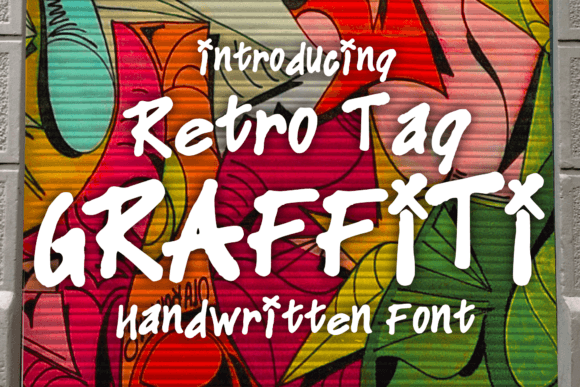
At its core, Retro Tag Graffiti is a premium font designed to emulate the fluid, confident strokes of a graffiti tag. Imagine a skilled artist with a broad-tipped marker, making a quick, decisive mark on a wall—that’s the essence captured here. The letterforms are dynamic, with varying stroke weights that mimic the pressure of a real marker. You’ll notice slight imperfections and organic curves that prevent it from looking sterile or overly digital. This is a key trait of a successful creative font; it carries a human touch.
Unlike a clean sans serif font or a formal serif font, this typeface doesn’t whisper—it speaks with clarity and confidence. Its visual characteristics make it inherently suited for headlines, logos, and any context where you need to make a bold statement quickly. The "retro" aspect comes through in its stylistic nods to vintage street art and skate culture graphics from the 80s and 90s, giving it a nostalgic yet timeless appeal. It’s a typeface that understands visual hierarchy and isn’t afraid to be the star of the show.
From Screen to Street: Where This Font Truly Shines
Theory is nice, but practical application is everything. So, where does a font like Retro Tag Graffiti actually work? Its strength lies in its versatility across a surprising range of projects, especially those targeting a younger, culturally savvy audience.
- Brand Identity & Logo Design: For brands in the streetwear, skate, music, or urban lifestyle spaces, this font can be the cornerstone of a strong brand identity. It instantly communicates a brand’s alignment with creativity, independence, and a bit of edge. Think of a logo for a local skate shop, a band’s merchandise line, or a new energy drink.
- Packaging & Merchandise: Slap it on a sticker, and it becomes a collectible. Use it for limited-edition t-shirt designs, and it adds instant collectibility. On packaging for craft products or vinyl records, it suggests authenticity and a hands-on approach. It’s a fantastic choice for any product where the packaging is part of the story.
- Digital & Social Media Graphics: In the fast-scrolling world of Instagram or TikTok, you have a split second to grab attention. A bold, graffiti-style headline in a post, story thumbnail, or profile banner can stop the scroll. It’s perfect for announcing drops, events, or new content in a way that feels native to the platform.
- Editorial & Print: Don’t confine it to digital. This typeface can bring incredible energy to magazine covers, book titles (especially for fiction or music-related topics), event posters, and zines. It provides a striking contrast to more traditional body copy, creating a dynamic and engaging editorial layout.
It’s also a secret weapon for more personal projects. Custom invitations for a milestone birthday, a unique blog header, or graphics for a podcast cover—these are all areas where Retro Tag Graffiti can elevate a design from generic to memorable.
Pairing and Practicality: Using It Like a Pro
A powerful font demands a thoughtful approach. Using Retro Tag Graffiti effectively isn’t about plastering it everywhere; it’s about strategic deployment for maximum impact. Here’s how to get the most out of this design asset.
The Art of the Pairing
This font is a star, so it needs a supporting cast. For body text or secondary information, pair it with something highly legible and understated. A simple, geometric sans serif font works beautifully for a modern, clean look. A classic serif font can create a fascinating high-low contrast for editorial projects. The key is to let Retro Tag Graffiti own the headlines and large display text, while its partner handles the readable, smaller copy. Always test your font pairings together to see if they create a cohesive visual story or if they clash.
Readability is Non-Negotiable
While it’s a display font meant for impact, you still need your message to be understood. Use it at larger sizes where its detailed letterforms can be appreciated. Avoid setting long paragraphs or critical small-print information in this style. Think of it as the visual equivalent of a shout—it’s perfect for a headline but exhausting for a conversation. Always step back and ask, "Can someone unfamiliar with this design read the key information in under three seconds?"
Check the Toolkit
A good premium font often comes with more than just basic letters. Look for what’s included with Retro Tag Graffiti. Does it have alternate characters, stylistic sets, or ligatures? These extras can help you customize the look further, making your designs even more unique. Also, be mindful of the commercial licensing. Ensure the license covers your intended use, whether it’s for a client project, merchandise for sale, or a personal website. Understanding this upfront saves headaches later.
Matching Font to Mission
Choosing the right font is a branding decision. Retro Tag Graffiti isn’t the right fit for a law firm or a luxury spa, but for a project that thrives on energy, youthfulness, and creative rebellion, it’s a perfect match. It’s a typeface that doesn’t just display words—it conveys an attitude, a feeling, and a world of cultural reference in a single glance.
So, the next time you’re building a mood board for a new brand, designing a poster for a local event, or creating social media graphics for a new product, consider the story you want your typography to tell. If that story involves authenticity, urban culture, and a bold creative spirit, then a tool like Retro Tag Graffiti might just be the missing piece that transforms a good design into one that truly resonates. It’s more than a font; it’s a voice waiting to be used.