Mermaid Stories: A Handwritten Font for Authentic Design
There’s a particular kind of magic in a design that feels genuinely human. It’s the slight imperfection of a hand-lettered logo, the warmth of a signature on a thank-you note, the authentic touch that makes a brand feel approachable and real. In a landscape often dominated by crisp, digital precision, finding a typeface that carries this organic charm can transform your work. That’s where a font like Mermaid Stories enters the picture—it’s less a simple tool and more a creative collaborator, offering a distinct personality for projects that need a touch of whimsy and authenticity.
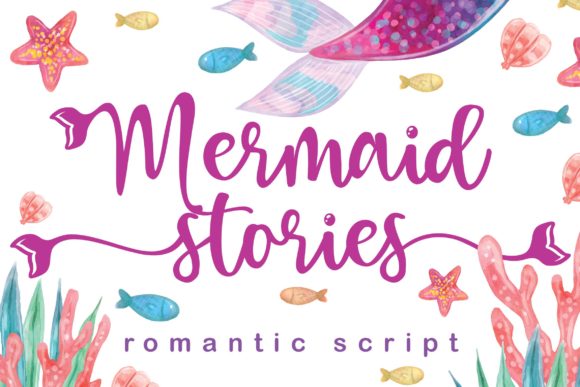
At its heart, Mermaid Stories is a beautifully crafted handwritten font. Its flowing, cursive strokes are designed to mimic the natural rhythm of a hand holding a pen, but with the careful polish required for professional use. What truly sets it apart are the amazing mermaid's swashes—those elegant, sweeping flourishes that can be added to the beginning or end of letters. These aren't just decorative extras; they are integral to the font's character, allowing you to infuse a sense of movement and fantasy into your typography. The overall effect is a typeface that feels both playful and sophisticated, making it a versatile design asset for a wide range of creative endeavors.
Where Authenticity Meets Application: Practical Uses for This Creative Font
The true test of any premium font is how it performs in the wild. A beautiful specimen on a font website means little if it doesn’t serve a practical purpose in real-world projects. Mermaid Stories excels in scenarios where you want to establish an immediate emotional connection with your audience. Consider its application in logo design for a boutique bakery, a coastal spa, or a handmade jewelry line. The handwritten style suggests care, craftsmanship, and a personal touch, instantly setting a brand apart from competitors using standard sans-serifs.
Beyond logos, this font shines in packaging design. Imagine the name of an artisanal soap or a gourmet treat written in Mermaid Stories, with a swash curling gracefully beneath. It turns a simple label into a story, hinting at the care put into the product inside. For social media graphics, the font becomes a powerful tool for engagement. A quote overlay on an Instagram story, a promotional sale announcement on Pinterest, or a heartfelt thank-you message on Facebook gains a unique visual voice that stops the scroll. Its handwritten nature makes messages feel personal and direct, cutting through the noise of generic corporate fonts.
Building a Cohesive Brand Identity with Intentional Typography
Choosing a font is a foundational decision in brand identity. It’s a core element of your visual language that, when used consistently, builds recognition and trust. Mermaid Stories, as a script font, is best suited for specific roles within a brand’s typographic system. It’s rarely the right choice for long paragraphs of body text on a website or in editorial design where readability at small sizes is paramount. Instead, think of it as your accent font—the voice for headlines, callouts, signatures, and featured quotes.
A brand strategist might recommend pairing it with a clean, neutral sans serif font. For example, use Mermaid Stories for your main logo and all primary headings, then pair it with a font like Montserrat or Open Sans for subheadings and body copy. This contrast creates a clear visual hierarchy: the handwritten font draws the eye and conveys personality, while the sans-serif ensures clarity and professionalism for longer text. This kind of thoughtful font pairing is what elevates a design from amateur to polished, ensuring your visual consistency across all touchpoints, from your website to your printed business cards.
Navigating the Details: Features, Licensing, and Best Practices
Mermaid Stories comes packed with features that give you creative control. Being PUA encoded is a significant practical benefit. It means all the special swashes, alternate letterforms, and ligatures are easily accessible through your operating system’s character map, even in basic design software. You don’t need advanced typographic knowledge to explore and use these extras. This accessibility is a huge plus for small business owners, crafters, and content creators who want to experiment with their designs.
When integrating any new display font into your workflow, a few practical steps can save headaches later. Always test the font in context. Mock up a logo, a social media post, and a sample of your marketing assets before finalizing your choice. Pay close attention to readability. While the flowing style is beautiful, ensure that crucial information—like a phone number on a poster or a product name on merchandise—remains clear at the intended size. Review all the included styles; sometimes a slightly different weight or an alternate glyph can be the perfect solution for a specific layout.
Finally, a crucial note on commercial licensing. Mermaid Stories is listed as a commercial font, meaning it’s licensed for use in projects that generate revenue, whether for your own business or for a client. Always verify the specific license terms provided with your purchase. Understand what’s covered—typically logos, print materials, digital products, and merchandise—to ensure you’re using the font legally and ethically in your professional work. This due diligence protects you and respects the work of the type designer.
In the end, a font like Mermaid Stories is more than just a set of letters. It’s a conduit for a specific mood and message. It’s for the creative entrepreneur who wants their brand to feel friendly and imaginative. It’s for the content creator looking to add a distinctive flair to their digital presence. And it’s for the hobbyist who wants to make their greeting cards or stationary art truly special. By understanding its personality and applying it strategically, you can harness its authentic charm to create designs that don’t just look good, but feel genuinely memorable.